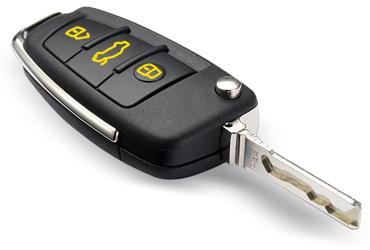

There’s a particular kind of panic that sets in when you press the button on your key fob in a supermarket car park and nothing happens. No flash of the indicators, no reassuring clunk of the locks. Is it the fob? The car? Something more expensive? Nine times out of ten, it’s a lot simpler than it feels in the moment — but keyless entry systems on Mercedes models do have a habit of causing confusion, and it’s one of the areas where owners often assume the worst before checking the obvious.
The most common culprit: a flat battery
Mercedes key fobs run on small coin-cell batteries, and they don’t last forever — typically one to two years, depending on how often the fob is used. When the battery starts to fade, you’ll usually notice the range shrinking first: the fob works fine right next to the car but stops responding from across the car park. Eventually it stops working altogether, even close up.
The good news is this is a five-minute fix and one of the cheapest problems a Mercedes can have. The battery type varies by model and fob generation, so it’s worth checking before buying a replacement, but on most modern fobs it’s a simple case of releasing the mechanical key blade, prising the case open, and swapping the battery.
When it’s not the battery: programming and pairing issues
If a fresh battery doesn’t solve it, the next most likely explanation is a pairing fault. Mercedes key fobs communicate with the car via a rolling code system for security, and occasionally that synchronisation can drop — particularly after a flat 12V battery in the car itself, a jump start, or certain electrical work. When this happens, the fob might unlock the doors but not start the car, or vice versa.
Reprogramming a fob requires Mercedes-specific diagnostic equipment (Star Diagnosis or equivalent), so this isn’t something to attempt at home. It’s usually a quick job for a specialist once the car is connected up, though the exact process differs between older infrared-style fobs and the newer keyless-go systems.
“Ghost” locking and unlocking — is it a fault or is it your neighbour’s key?
One of the stranger issues we hear about is a car that appears to lock or unlock itself, or where the alarm chirps for no obvious reason. This is almost always a case of signal interference or, occasionally, a genuinely faulty fob sending intermittent signals. In built-up areas of Wirral with a lot of other keyless vehicles nearby, cross-signal issues are rare but not unheard of. If it’s happening consistently, it’s worth having the fob and the car’s receiver checked rather than assuming it will sort itself out.
Relay attacks and keyless-go security
It would be an oversight not to mention security here, since keyless-go models are a known target for relay theft, where thieves use signal boosters to trick the car into thinking the key is nearby. If your Mercedes has keyless-go, storing the fob in a signal-blocking pouch overnight is one of the simplest things you can do to reduce risk, and many owners on Wirral have started doing this as standard practice.
When to get it looked at
If your fob has stopped working entirely, has been replaced with a new battery and still isn’t responding, or your car is behaving unpredictably with locking or starting, it’s worth having it diagnosed properly rather than guessing. At MB Wirral we can check fob battery health, re-sync fobs to the vehicle, and diagnose faults in the car’s receiver module using genuine Mercedes-Benz diagnostic equipment — usually while you wait.


