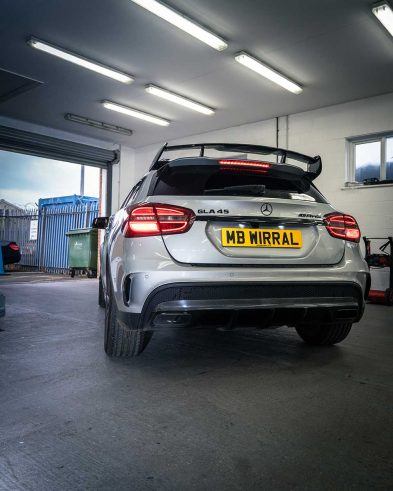

The prospect of handing over your beloved Mercedes for servicing or repairs can be rather unsettling, particularly when you’re reliant on your vehicle for daily commitments. Fortunately, many reputable Mercedes specialists offer loan cars to keep you mobile whilst your vehicle receives the attention it deserves. However, navigating the world of courtesy vehicles requires a bit of preparation and understanding to ensure a smooth experience.
Understanding Your Entitlement
Not every service appointment automatically includes a loan car, and the availability often depends on several factors that are worth understanding before you book your appointment. Extended warranty work, major repairs, and certain types of scheduled maintenance typically qualify for courtesy vehicle provision, whilst quick services such as oil changes or tyre replacements generally don’t warrant a replacement vehicle.
Advance Booking Is Essential Loan car availability operates on a first-come, first-served basis, and demand often exceeds supply, particularly during peak service periods. When booking your appointment, specifically request a loan car and confirm this arrangement in writing. Many establishments maintain waiting lists, so booking well in advance significantly improves your chances of securing a suitable replacement vehicle.
Documentation Requirements Borrowing a loan car involves more paperwork than you might expect. You’ll need to present a full, valid driving licence that’s been held for a minimum period—typically at least 12 months for younger drivers. Some establishments require additional documentation such as proof of address or utility bills, so it’s wise to enquire about specific requirements when making your booking.
What to Expect from Your Temporary Wheels
Vehicle Standards and Condition Reputable Mercedes specialists typically maintain their loan car fleets to high standards, though you shouldn’t expect the same level of specification or luxury as your own vehicle. Most courtesy cars are well-maintained, mid-range vehicles chosen for reliability and fuel efficiency rather than performance or prestige.
Before accepting any loan car, conduct a thorough inspection together with the service advisor. Document any existing damage, however minor, and ensure both parties sign off on the vehicle’s condition. Take photographs of any scratches, dents, or interior wear using your mobile phone—this simple precaution can prevent disputes upon return.
Fuel and Mileage Considerations Most loan cars are provided with a full tank of fuel, and you’re expected to return them in the same condition. However, policies vary between establishments, so clarify the fuel arrangement beforehand. Some specialists provide a certain mileage allowance, whilst others impose restrictions on long-distance travel.
Keep all fuel receipts during your loan period, as these may be required for documentation purposes. If you’re planning any extended journeys, inform the service team in advance, as some insurance policies have geographical restrictions or require additional authorisation for longer trips.
Insurance Implications and Responsibilities
Comprehensive Cover Arrangements Reputable loan car providers maintain comprehensive insurance that covers you as a named driver during the loan period. However, this doesn’t absolve you of all financial responsibility. Most policies include excess charges that you’d be liable for in the event of damage or theft, and these amounts can be substantial.
Review your own motor insurance policy, as some comprehensive policies include courtesy car cover that might provide additional protection or reduce your excess liability. Contact your insurance provider before collecting the loan car to understand how your existing cover interacts with the temporary arrangement.
Your Driving Record Matters Insurance companies assess risk based on driving history, and providers may decline to offer loan cars to drivers with recent claims, convictions, or penalty points. Be honest about your driving record when requesting a courtesy vehicle, as any discrepancies discovered later could invalidate the insurance cover and leave you personally liable for damages.
Age and Experience Restrictions
Many loan car schemes impose age restrictions, typically requiring drivers to be between 25 and 70 years old. Younger drivers may find options limited or face additional requirements such as higher excess charges or reduced vehicle categories. Similarly, drivers over 70 might need to provide additional medical certification or recent eye test results.
Additional Driver Considerations If your spouse or partner needs to drive the loan car, they must be specifically added to the insurance policy before collection. This usually requires their driving licence details and may involve additional checks. Don’t assume that your partner can drive the vehicle simply because they’re covered on your personal insurance—loan car policies are separate and specific.
Practical Considerations for Daily Use
Familiarisation Period Every vehicle handles differently, and modern cars have various electronic systems that may operate differently from your Mercedes. Take time to familiarise yourself with the basics before driving away—seat adjustment, mirror positioning, light controls, and handbrake operation. Many loan car incidents occur simply because drivers aren’t familiar with the vehicle’s controls.
Personal Belongings and Equipment Remove all personal items from your Mercedes before handing it over, including any equipment stored in the boot or glove compartment. Similarly, remember to transfer essential items such as parking permits, garage door openers, or child car seats to the loan vehicle. Keep a checklist of items that need transferring to avoid leaving important belongings behind.
Technology and Connectivity Don’t expect the loan car to have the same technological sophistication as your Mercedes. Bluetooth connectivity, satellite navigation, and smartphone integration may be limited or absent entirely. Plan accordingly, perhaps downloading offline maps to your phone or bringing a portable charger for longer journeys.
When Things Don’t Go According to Plan
Mechanical Issues Loan cars, like any vehicles, can develop mechanical problems. If you experience any issues, contact the providing establishment immediately rather than attempting repairs yourself. Most reputable providers have arrangements with recovery services and can arrange replacement vehicles if necessary.
Accident Procedures In the unfortunate event of an accident, follow standard procedures: ensure safety, contact emergency services if required, and notify the police if necessary. Contact the loan car provider as soon as practically possible, as they’ll need to initiate insurance claims and arrange recovery if the vehicle isn’t driveable.
Take photographs of all vehicles involved and gather contact details from other parties and witnesses. The loan car provider will guide you through their specific reporting procedures, which may differ from your usual insurance processes.
Making the Most of the Experience
Communication Is Key Maintain regular contact with your service advisor regarding progress on your Mercedes. This helps manage expectations about collection times and ensures you’re not left without transport if work takes longer than anticipated. Some repairs uncover additional issues that extend the service period, so flexibility in your arrangements proves invaluable.
Return Procedures Plan your return journey to allow sufficient time for the handover process. The service team will inspect the loan car for any new damage and check fuel levels. Arriving with adequate time prevents rushing through this important procedure and reduces the risk of disputes about the vehicle’s condition.
Remember that your Mercedes should be ready for collection when you return the loan car, so coordinate timing with your service advisor to ensure a smooth transition back to your own vehicle.
The loan car experience needn’t be daunting if you understand the procedures and responsibilities involved. With proper preparation and realistic expectations, courtesy vehicles provide invaluable mobility whilst ensuring your Mercedes receives the professional attention it deserves.


