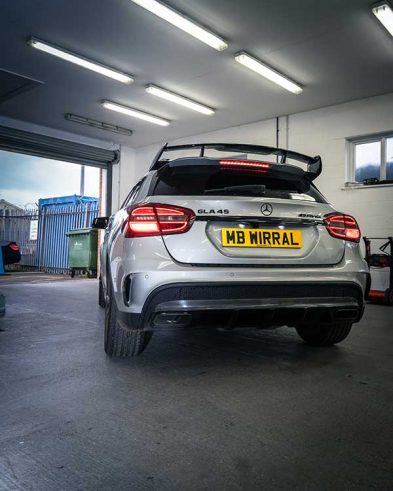

The annual MOT test represents a legal requirement for every Mercedes-Benz over three years old, yet it remains one of the most misunderstood aspects of vehicle ownership. For many drivers, the MOT feels like an unpredictable ordeal that might result in unexpected repair bills and inconvenience. However, understanding what the test actually involves and how to prepare your Mercedes properly can transform the MOT from a dreaded obligation into a straightforward checkpoint that confirms your vehicle’s roadworthiness.
When you bring your Mercedes-Benz to a DVSA-approved facility like MB-Wirral, you’re not simply meeting a legal requirement. You’re receiving a comprehensive safety assessment from technicians who understand the specific characteristics of Mercedes vehicles and can identify potential issues before they become serious problems. This guide will walk you through everything you need to know about the MOT process, from what checks are performed to how specialist facilities add value beyond the basic test.
Understanding the MOT Test: Legal Requirements and Purpose
The MOT (Ministry of Transport) test is a mandatory annual assessment of vehicle safety and environmental standards required by UK law. Every Mercedes-Benz must undergo its first MOT three years after initial registration, then annually thereafter. The test doesn’t assess the vehicle’s mechanical condition or reliability, but rather determines whether it meets minimum safety and environmental standards for road use.
It’s crucial to understand what the MOT is and isn’t. The test confirms that your Mercedes met legal standards on the day of testing, but it doesn’t guarantee the vehicle will remain roadworthy until the next test. Nor does it evaluate every component or system. A vehicle can pass its MOT yet still require maintenance or repairs for optimal performance and longevity.
The consequences of driving without a valid MOT are significant. Beyond the obvious safety concerns, you face potential fines of up to £1,000, your insurance may be invalidated, and your vehicle could be prohibited from road use. Additionally, if your Mercedes is involved in an accident while the MOT has expired, you may face additional legal complications even if you weren’t at fault.
The test can only be conducted at DVSA-approved test stations by authorized MOT testers. These facilities must meet strict standards for equipment, procedures, and tester qualifications. Specialist facilities like MB-Wirral combine this official authorization with specific Mercedes-Benz expertise, ensuring testers understand the unique characteristics of your vehicle.
The Comprehensive MOT Inspection: What Gets Checked
The MOT test involves a systematic examination of numerous vehicle components and systems. Understanding what testers evaluate helps you prepare your Mercedes appropriately and appreciate the thoroughness of the assessment.
Lighting and Electrical Systems
Testers examine all external lights including headlights, sidelights, brake lights, indicators, hazard warning lights, fog lights, and reversing lights. Each must function correctly, show the appropriate color, and be securely mounted. For Mercedes-Benz vehicles with advanced lighting systems like Intelligent Light System or LED arrays, testers verify that these complex systems operate within specifications. Headlight aim is also tested to ensure your lights illuminate the road properly without dazzling other drivers.
The electrical system check extends to the horn, ensuring it produces adequate sound and functions reliably. Dashboard warning lights receive scrutiny as well. When you start your vehicle, certain warning lights should illuminate briefly then extinguish, while others should never appear if systems are functioning correctly. An illuminated airbag warning light, ABS light, or engine management light will result in an MOT failure.
Steering and Suspension Systems
The steering system undergoes detailed examination for excessive play, security of mounting points, condition of components, and proper operation of power steering systems. Mercedes-Benz vehicles often feature sophisticated steering systems including Active Body Control or Airmatic suspension, and testers verify these systems function without faults or warning indicators.
Suspension components including shock absorbers, springs, mounting points, and anti-roll bars are inspected for wear, damage, corrosion, and security. The tester will physically examine these components and may bounce the vehicle or use specialized equipment to assess shock absorber effectiveness. Mercedes suspension systems, particularly on higher-specification models, contain complex components that require knowledgeable assessment.
Braking System Assessment
The braking system receives particularly thorough attention during the MOT. Brake performance is measured using a rolling road brake tester that quantifies braking force at each wheel and checks for imbalances. For Mercedes-Benz vehicles, this includes assessment of ABS function through dashboard indicators.
Beyond performance testing, the tester inspects brake components visually. This includes examining brake pads and discs for adequate thickness, checking brake lines and hoses for corrosion or damage, assessing the condition of brake fluid (which must be clear, not dark or contaminated), and verifying the parking brake holds the vehicle securely. The brake pedal itself must operate smoothly without excessive travel or sponginess.
Mercedes-Benz vehicles equipped with advanced braking systems like Adaptive Brake, Brake Assist, or regenerative braking in hybrid models require testers familiar with these technologies to ensure proper assessment.
Tyres and Wheels
Tyre inspection represents one of the most common MOT failure points. Testers examine each tyre for legal tread depth (minimum 1.6mm across the central three-quarters of the tread and around the entire circumference), condition of the tyre sidewalls and tread surface, proper inflation, and correct fitment. Tyres must be appropriate for the vehicle and load rating, and all tyres on the same axle must be of the same construction type.
Wheels are checked for damage, cracks, distortion, and security. Wheel nuts or bolts must be present and properly tightened. For Mercedes-Benz vehicles with low-profile tyres or large alloy wheels (common on AMG models or higher specifications), particular attention is paid to rim damage and tyre condition.
Body Structure, Corrosion, and Security
The tester examines the vehicle’s structure and bodywork, particularly focusing on areas critical to safety. This includes checking for corrosion that affects structural integrity, damage to load-bearing components, security of body panels and mountings, and condition of seats and seat belts.
For Mercedes-Benz vehicles, which typically feature robust construction and corrosion protection, this aspect rarely causes failures. However, older models or vehicles that have suffered accident damage require careful assessment. The tester pays particular attention to areas prone to corrosion like wheel arches, sills, and subframe mounting points.
Doors and bonnet must open, close, and latch securely. Seat belts must be present for all seats, function correctly with smooth retraction and locking, and show no signs of fraying or damage. The tester also verifies that the vehicle identification number is clearly visible and matches the registration documents.
Emissions Testing
Environmental standards form a critical component of the MOT. For petrol Mercedes-Benz vehicles, emissions testing measures carbon monoxide and hydrocarbon levels using a probe inserted into the exhaust pipe. These readings must fall below specified limits based on the vehicle’s age and engine type.
Diesel Mercedes vehicles undergo a smoke opacity test where the engine is revved and emissions are measured. Modern diesel Mercedes with particulate filters must show very low smoke levels. The tester also checks that the diesel particulate filter (DPF) hasn’t been removed, as this represents an automatic failure regardless of emissions levels.
The exhaust system itself is examined for leaks, damage, security, and excessive noise. All components from the engine to the tailpipe must be secure and free from serious corrosion. For Mercedes vehicles with complex exhaust systems including multiple catalytic converters and resonators, thorough inspection ensures all components are present and functioning.
Windscreen, Wipers, and Washers
The windscreen must be free from damage that could obstruct the driver’s view. Small stone chips away from the driver’s direct vision typically don’t cause failure, but cracks or damage within the swept area of the wipers will result in failure.
Wiper blades must be in good condition without tears or excessive wear, and the wiper mechanism must operate correctly at all speeds. Windscreen washers must function properly with adequate spray reaching the windscreen. For Mercedes-Benz vehicles equipped with headlight washers (required on certain xenon and LED headlight systems), these must also function correctly.
Additional Checks and Systems
The MOT includes numerous other inspections: mirrors must be present, secure, and provide adequate rearward vision; the speedometer must function; the vehicle identification number must be clearly visible; fuel system components must be secure without leaks; and the battery must be properly secured.
For Mercedes-Benz vehicles with advanced driver assistance systems, warning lights or error messages indicating system faults can result in MOT failure. This includes systems like collision prevention, lane keeping assist, or active cruise control if their malfunction is indicated by dashboard warnings.
Preparing Your Mercedes-Benz for MOT Success
Proper preparation significantly increases the likelihood of passing your MOT first time, saving both time and money. A systematic pre-MOT check catches obvious issues that you can address before the official test.
One Week Before: Visual Inspection
Begin your preparation about a week before your scheduled MOT. Walk around your Mercedes and examine all external lights. Turn on your ignition and check each light system: headlights on main and dipped beam, sidelights, brake lights (you may need someone to press the pedal), indicators in all directions, hazard warning lights, fog lights, and reversing lights. Replace any failed bulbs immediately.
Inspect your tyres carefully. Check tread depth using a tread depth gauge or the built-in wear indicators. If any tyre shows tread approaching the legal minimum of 1.6mm, replace it now. Examine tyre sidewalls for cuts, bulges, or cracks. Check tyre pressures and inflate to the specifications in your Mercedes handbook, usually found on a label in the driver’s door frame.
Look at your windscreen in good light. Any damage in the driver’s sight line or cracks longer than a certain length may cause failure. If you have windscreen damage, consider repair or replacement before the MOT. Check wiper blades for wear and replace if necessary; they’re inexpensive but can cause MOT failure if deteriorated.
A Few Days Before: Functional Testing
Test all your vehicle’s functions systematically. Start the engine and watch your dashboard. All warning lights should extinguish after a few seconds. If any remain illuminated, particularly the engine management light, ABS warning, airbag warning, or brake system warning, you must address this before the MOT.
Test your horn to ensure it sounds clearly. Check that all switches and controls operate correctly. For Mercedes-Benz vehicles with complex electronic systems, ensure everything functions as designed. A malfunction in systems like the tyre pressure monitoring system (TPMS) can trigger warning lights that cause MOT failure.
Drive your Mercedes and assess the brakes. They should operate smoothly and progressively without pulling to one side. Test the parking brake on an incline to verify it holds the vehicle securely. If you notice any unusual brake behavior, spongy pedal feel, or warning lights, have your braking system inspected before the MOT.
The Day Before: Final Checks and Cleaning
While the MOT doesn’t include cleanliness as a pass/fail criterion, a clean vehicle allows the tester to inspect components more easily and creates a positive impression. More importantly, cleaning your Mercedes gives you opportunity to spot issues you might have missed.
Wash your vehicle, paying particular attention to the underside if possible. Clean your number plates thoroughly; obscured registration plates represent an MOT failure point. Clean all lights and reflectors so the tester can properly assess them.
Check your windscreen washer reservoir and top up if necessary. While this seems minor, non-functioning washers will cause MOT failure, and it’s easily overlooked.
Remove any clutter from your vehicle’s interior and boot. The tester needs clear access to examine the vehicle’s structure, and excessive items make this difficult. Ensure the tester can access the VIN plate, usually located on the windscreen or door pillar.
Finally, ensure you have all the necessary documents: your current MOT certificate, vehicle registration document (V5C), and proof of identity. While these aren’t always required for the test itself, having them available prevents any delays.
What Not to Do Before Your MOT
Some common practices actually create problems. Don’t over-inflate your tyres thinking it will help them pass; incorrect pressure can cause failure. Don’t attempt quick-fix repairs that might not be durable; botched repairs often result in failure where proper repairs would have passed. Don’t reset engine management lights without addressing the underlying issue; testers can detect recent resets and may refuse to test your vehicle.
The MOT Process at a Specialist Facility
Understanding what happens during your MOT appointment helps reduce anxiety and ensures you’re prepared for the experience. At a Mercedes-Benz specialist facility like MB-Wirral, the process combines the legally required test with expertise specific to your vehicle.
Booking and Arrival
Book your MOT well in advance of your certificate expiry date. While you can take your MOT up to one month before expiration without losing any time (the new certificate dates from the expiry of the old one), booking early provides flexibility if your Mercedes requires any remedial work.
When you arrive for your appointment, you’ll meet with a service advisor who will take your vehicle details and may ask about any known issues. This is your opportunity to mention concerns you have about specific components or systems. While the MOT test itself follows a standard procedure, highlighting concerns allows the tester to pay particular attention to areas you’ve identified.
During the Test
The MOT typically takes between 45 minutes to an hour for a Mercedes-Benz, though this varies depending on the vehicle’s complexity and condition. You’re generally welcome to observe the test if you wish, though you cannot interfere with the tester’s work or distract them during the assessment.
The tester will methodically work through the prescribed checks, using specialized equipment for aspects like brake performance, headlight aim, and emissions testing. For components requiring visual inspection, the tester may use a vehicle lift to examine the underside thoroughly.
At a specialist facility, testers bring specific knowledge of Mercedes-Benz vehicles to the assessment. They understand the normal characteristics of Mercedes systems, can differentiate between Mercedes-specific features and faults, and know where to look for common issues on different Mercedes models. This expertise ensures accurate assessment without unnecessary failures due to misunderstanding vehicle-specific features.
Advisory Items and Minor Defects
The MOT results include not just pass or fail status but also advisory items. These are components or systems that don’t currently cause failure but show signs of wear or deterioration that will require attention in the future. Advisory items provide valuable information for maintenance planning.
A Mercedes-Benz specialist can translate these advisory items into practical recommendations, explaining what needs attention urgently versus what can wait until your next service. This contextual knowledge helps you prioritize maintenance expenditure appropriately.
Recent changes to MOT regulations introduced a defect categorization system. Defects are classified as dangerous (vehicle must not be driven), major (MOT failure), or minor (noted but not a failure). Understanding this classification helps you assess the urgency of any required work.
The Benefits of Specialist MOT Facilities
While any DVSA-approved facility can legally conduct your MOT, choosing a Mercedes-Benz specialist like MB-Wirral offers distinct advantages that extend beyond the basic test requirements.
Mercedes-Specific Expertise
Testers at specialist facilities possess in-depth knowledge of Mercedes-Benz vehicles across different model ranges and generations. They understand how Mercedes systems should operate, recognize model-specific common issues, and can distinguish between actual faults and characteristics normal to Mercedes vehicles that might confuse generalist testers.
This expertise proves particularly valuable for Mercedes models with complex or unique features. Vehicles equipped with Airmatic suspension, Active Body Control, or sophisticated driver assistance systems require testers who understand these technologies. Specialist knowledge prevents inappropriate failures and ensures accurate assessment.
Comprehensive Diagnostic Capabilities
Beyond the basic MOT test equipment, Mercedes specialists maintain sophisticated diagnostic tools capable of interfacing with your vehicle’s electronic systems. If your Mercedes fails its MOT due to an illuminated warning light or electronic system fault, specialist facilities can immediately diagnose the underlying cause using Mercedes-specific diagnostic equipment.
This integrated diagnostic capability means you don’t need to take your vehicle elsewhere for diagnosis then return for a retest. The specialist can identify the problem, explain the required repair, and carry out the work efficiently, streamlining the entire process.
Convenient Remedial Work
When an MOT identifies required repairs, having the test conducted at a specialist facility means qualified technicians can address issues immediately using appropriate parts and procedures. Rather than taking your Mercedes to a separate garage for repairs then returning for a retest, everything happens at one location with minimal inconvenience.
Mercedes specialists maintain stocks of common wear items like brake pads, wiper blades, and bulbs specific to Mercedes models. For more complex repairs, they have access to Mercedes parts suppliers and the expertise to carry out repairs to manufacturer standards. This ensures repairs are done properly rather than being patched up just to pass the MOT.
Retest Procedures
If your Mercedes requires work to pass the MOT, you’re entitled to a free partial retest within ten working days if you return to the same testing station. A partial retest only examines the items that failed, saving time and ensuring efficiency.
At specialist facilities, this retest process is typically streamlined. The garage already understands what work has been completed and can conduct the retest promptly. Many specialists offer same-day retest when remedial work is straightforward, minimizing the time your vehicle is off the road.
Maintenance Insights and Planning
Perhaps the most valuable aspect of having your MOT conducted at a Mercedes specialist is the maintenance insights you receive. Experienced technicians can identify developing issues that aren’t yet MOT failures but will require attention. This proactive approach helps prevent breakdowns and expensive emergency repairs.
A specialist facility might notice that your brake pads, while still within MOT limits, are approaching the point where replacement will be needed soon. Or they might observe early signs of suspension component wear. These observations allow you to plan maintenance expenditure rather than being caught by surprise when a component fails.
Common MOT Failures and How to Avoid Them
Understanding the most frequent reasons Mercedes-Benz vehicles fail their MOT helps focus your preparation efforts on areas most likely to cause problems.
Lighting Failures
Faulty lights represent one of the most common yet easily prevented MOT failures. A systematic check of all your lighting systems a few days before your MOT allows you to replace any failed bulbs. Keep in mind that modern Mercedes vehicles sometimes use complex light assemblies where accessing bulbs requires care or even partial disassembly. If you’re not confident replacing bulbs yourself, a specialist can handle this quickly and inexpensively.
Tyre Issues
Tyres below the legal tread depth, damaged tyres, or incorrectly inflated tyres frequently cause MOT failures. Regular tyre checks throughout the year prevent MOT surprises. For Mercedes-Benz vehicles, which often use performance tyres or specific tyre specifications, ensuring you fit appropriate tyres matters both for MOT purposes and for vehicle performance and safety.
Brake Problems
Braking system failures range from worn brake pads and discs to brake fluid contamination or brake imbalance. Regular servicing typically identifies brake wear before it becomes an MOT issue. However, if your Mercedes hasn’t been recently serviced, have the braking system checked before your MOT, particularly if you’ve noticed any changes in brake performance.
Emissions Failures
Modern Mercedes-Benz vehicles with properly maintained engines rarely fail emissions tests. However, emissions failures can occur with older vehicles, those with failing catalytic converters or lambda sensors, or diesel vehicles with DPF issues.
If your Mercedes has covered significant mileage or you’ve noticed reduced performance, rough running, or increased fuel consumption, addressing these symptoms before the MOT can prevent emissions failures. Regular servicing including fuel system cleaning and proper oil changes maintains emissions systems in good condition.
Electronic System Faults
Modern Mercedes vehicles rely heavily on electronic systems, and any fault indication through dashboard warning lights will cause MOT failure. If warning lights appear, have your vehicle diagnosed promptly. Some warnings indicate minor issues with simple fixes, while others signal more significant problems requiring investigation.
After the MOT: Next Steps
Once your MOT is complete, understanding your results and taking appropriate action ensures you get maximum value from the test and maintain your Mercedes in optimal condition.
Understanding Your MOT Certificate
Your MOT certificate confirms your vehicle met the minimum safety and environmental standards on the test date. The certificate displays an expiry date exactly one year after the test (or one year after your previous certificate expired if tested early). This certificate must be retained as proof of your vehicle’s MOT status.
The certificate also lists any advisory items noted during the test. Review these carefully and discuss them with the testing facility. Understanding which advisories need immediate attention versus which can wait helps you plan maintenance appropriately.
Addressing Advisory Items
While advisory items don’t prevent your Mercedes from passing its MOT, they signal developing issues that require monitoring or repair. Prioritize advisories based on safety implications and likelihood of causing next year’s MOT failure.
A Mercedes specialist can provide guidance on advisory timescales. Some items like “brake pads wearing thin” need attention within a few months, while others like “slight corrosion to rear subframe” might remain advisories for several years before requiring action.
Planning Ahead for Next Year
Use your MOT as an annual checkpoint for maintenance planning. If certain components were advisories this year, budget for their replacement or repair before next year’s test. Regular servicing between MOTs catches developing issues early, preventing MOT failures and maintaining your Mercedes in better overall condition.
Consider booking your next MOT at the same specialist facility. They’ll have records of this year’s advisories and can track how components are wearing, providing continuity of care for your vehicle.
Conclusion
The MOT test, while sometimes viewed as an inconvenience, serves an essential safety function while providing valuable insights into your Mercedes-Benz’s condition. Proper preparation minimizes the likelihood of failure, and choosing a specialist facility like MB-Wirral’s DVSA-approved testing station ensures your vehicle receives knowledgeable assessment from testers who understand Mercedes-Benz vehicles intimately.
By understanding what the MOT test involves, preparing your vehicle systematically, and working with specialists who combine legal authorization with Mercedes expertise, you can approach your annual MOT with confidence rather than apprehension. The test becomes not just a legal obligation but an opportunity to confirm your Mercedes remains safe, roadworthy, and well-maintained for the year ahead.


