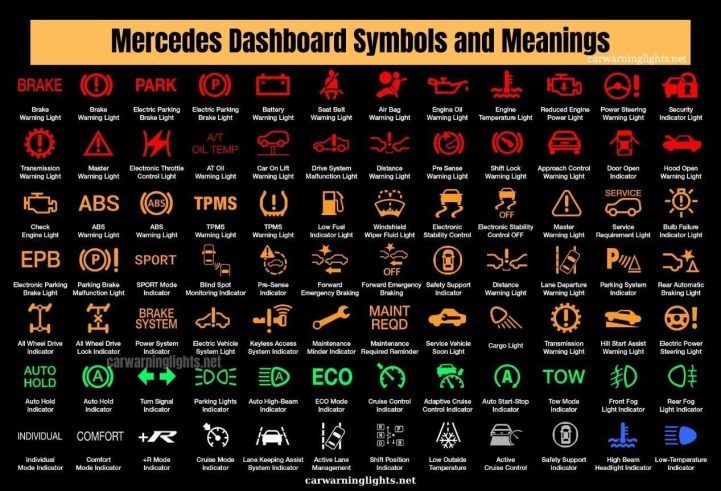

Few things prompt an immediate gut-check quite like the engine management light flicking on mid-journey. For Mercedes owners across Wirral, the reaction is usually one of two extremes: either panic and pull over immediately, or shrug it off and hope it sorts itself out. Neither response is quite right, because what that light actually means depends entirely on what’s triggered it, and that can range from a minor sensor hiccup to something that genuinely needs attention before you drive any further.
The engine management light, sometimes called the check engine light, is deliberately non-specific. It’s a single warning covering an enormous range of possible faults across the engine and emissions systems, and the only way to know what’s actually wrong is to read the fault code stored behind it. That said, certain causes come up far more often than others on Mercedes models, and knowing the usual suspects helps you judge how seriously to take it.
Why the Light Is Deliberately Vague
Modern engines, including every Mercedes model on the road today, are managed by an engine control unit (ECU) that constantly monitors dozens of sensors and systems, checking everything from air intake readings to exhaust composition to ignition timing. When any reading falls outside its expected range, the ECU logs a fault code and, depending on how serious the system considers it, illuminates the engine management light.
The light itself tells you nothing about severity. A failing sensor that has no real impact on how the car drives can trigger the exact same light as a fault that risks genuine engine damage. This is precisely why guessing based on how the car “feels” is unreliable, and why a proper diagnostic scan, reading the actual fault code, is the only way to know what you’re actually dealing with.
MAF Sensor Faults
The mass airflow (MAF) sensor measures how much air is entering the engine, information the ECU uses to calculate exactly how much fuel to inject for the correct air-fuel mixture. It’s one of the more common causes of an engine management light on Mercedes petrol engines in particular.
Typical symptoms alongside the warning light:
- Rough or inconsistent idling
- Hesitation or a lack of power under acceleration
- Reduced fuel efficiency
- Occasionally, the engine struggling to start
MAF sensors can fail outright, but more often they simply become contaminated with dirt, oil residue from the air filter, or general debris over time, causing them to send inaccurate readings rather than failing completely. In some cases, a contaminated sensor can be cleaned with the correct specialist cleaner and returns to normal function; in others, it needs replacing.
How seriously to take it: generally low to moderate urgency. The car is usually still safe to drive, though you may notice reduced performance and efficiency, and it’s worth getting checked within a reasonably short timeframe rather than ignoring it indefinitely, since prolonged incorrect fuel mixtures aren’t ideal for the engine.
EGR Valve Issues
The exhaust gas recirculation (EGR) valve redirects a small portion of exhaust gas back into the engine’s intake under certain conditions, reducing combustion temperatures and lowering NOx emissions. It’s a system that sees a lot of carbon and soot pass through it, particularly on diesel engines, making it one of the more failure-prone emissions components over time.
Typical symptoms:
- Rough idling, sometimes described as the engine feeling “lumpy” at a standstill
- A noticeable loss of power, particularly when accelerating from low revs
- Increased smoke from the exhaust on some affected cars
- Occasionally a slight smell of exhaust fumes inside the cabin
EGR valves tend to fail by becoming clogged with carbon deposits, causing them to stick either fully or partially open or closed, rather than moving freely as the ECU commands. A stuck-open valve in particular can significantly affect how the engine runs, since it disrupts the air-fuel mixture entering the cylinders.
How seriously to take it: moderate urgency. The car will usually still drive, but performance and efficiency suffer, and a valve that’s stuck rather than just dirty will typically need cleaning or replacement to fully resolve. It’s not an emergency, but it’s not something to leave for months either.
Turbo Issues
Turbocharged Mercedes engines, which now make up the vast majority of the range, depend on the turbocharger operating within precise pressure parameters. When boost pressure readings fall outside what the ECU expects, whether too low or too high, it will typically trigger an engine management light.
Common underlying causes:
- A boost pressure sensor giving an inaccurate reading rather than an actual turbo fault
- A split or leaking intercooler hose or boost pipe, allowing pressure to escape before it reaches the engine
- Wastegate or actuator faults, affecting how the turbo regulates pressure
- In more serious cases, genuine wear within the turbocharger itself, such as worn bearings or actuator mechanisms
Symptoms to watch for:
- A noticeable loss of power, often described as the car feeling “flat” compared to normal
- Unusual whistling, whining, or rattling noises from the turbo area
- Visible smoke from the exhaust, particularly blue or grey smoke, which can indicate oil getting into the turbo
- The engine entering a protective “limp mode” with significantly reduced power
How seriously to take it: this is one of the categories where it’s worth being more cautious. A simple pipe or sensor fault is usually low risk to drive carefully to a garage, but unusual noises, visible smoke, or a sudden, significant loss of power warrant having the car looked at promptly, since continuing to drive with a genuinely failing turbo can risk more extensive engine damage if oil or debris enters places it shouldn’t.
Ignition Faults
On petrol Mercedes models, ignition system faults, covering spark plugs, ignition coils, and related wiring, are a frequent and often very noticeable cause of the engine management light.
Typical symptoms:
- A rough, uneven idle, sometimes with a noticeable vibration through the car
- Misfiring, which can feel like a brief stumble or jolt under acceleration
- Reduced power and poor fuel economy
- In more pronounced cases, the engine management light flashing rather than staying constantly lit, which specifically indicates an active misfire
This last point matters: a flashing engine management light, as opposed to one that’s simply on steadily, is generally a sign of a more urgent issue, typically an active misfire that can, if continued, damage the catalytic converter due to unburned fuel passing through the exhaust system. If your light is flashing, it’s worth reducing your speed, avoiding hard acceleration, and getting the car checked as soon as reasonably possible rather than continuing to drive normally.
How seriously to take it: depends entirely on whether the light is steady or flashing. Steady is worth booking in within a reasonable timeframe; flashing deserves more prompt attention.
Emissions System Faults
Beyond the EGR valve specifically, modern Mercedes diesel and petrol models have increasingly complex emissions systems, including catalytic converters, particulate filters, and on diesels, the AdBlue/SCR system covered in detail elsewhere. A fault anywhere within this broader emissions network can trigger the engine management light, sometimes alongside a more specific message and sometimes as a standalone warning.
Common triggers:
- Catalytic converter efficiency faults, where the converter isn’t reducing emissions as effectively as it should
- Oxygen (lambda) sensor faults, which monitor exhaust gas composition and feed information back to the ECU
- Particulate filter faults, distinct from the AdBlue-related issues, relating to physical blockage or sensor readings within the filter system
- Evaporative emissions faults on petrol models, often related to the fuel cap or fuel tank venting system
How seriously to take it: this varies widely depending on the specific fault, which is exactly why a proper diagnostic read matters rather than guessing based on category alone. Some emissions faults have no noticeable effect on how the car drives and can comfortably wait for a routine appointment; others affect performance more directly and deserve quicker attention.
What to Actually Do When the Light Comes On
Rather than guessing based on symptoms alone, the sensible sequence is:
- Note how the light is behaving — steady or flashing, and whether it appeared suddenly or gradually
- Pay attention to how the car is driving — any loss of power, unusual noise, smoke, or rough running alongside the light
- Get the fault code read properly — this is the only way to know definitively what’s triggered the light, and it takes minutes with the right equipment
- Act according to what’s actually found — rather than what the light alone might suggest
A flashing light, any burning smell, visible smoke, or a significant loss of power are all good reasons to stop driving and get the car checked promptly rather than continuing your journey. A steady light with no obvious change in how the car drives is usually safe to drive carefully to a garage within a reasonable timeframe, though it shouldn’t be ignored indefinitely.
If your Mercedes’ engine management light has come on, our team across Wirral can read the exact fault code, explain in plain terms what’s actually wrong, and tell you honestly whether it’s something to sort immediately or something that can be scheduled in for a routine appointment. Get in touch and we’ll get to the bottom of it properly.


